Doing it Yourself
"A jack of all trades is a master of none, but often times is better than a master of one."

In the United States, we live in a culture of convenience and consumerism. The time of the day is commodified to the extent that leisure time is a luxury very few get to experience. If you can afford to do nothing all day, then that’s what you get to do. Consumerism provides a false sense of security. All your needs can be met through an exchange of goods and services. In retrospect, what we have done is create a hyper-specialized world, in which we have become increasingly dependent upon for goods and services.1 As a society, Americans have become incredibly wasteful. The purchasing of cheaply manufactured goods, and companies no longer selling items to last longer than a few years, has led to the ecological destabilization we find ourselves in today.
Rather than perpetuating the treadmill of consumption, might I suggest a path less traveled? The do-it-yourself approach.
As a casual fan of Parks and Recs, I connected with Ron Swanson, as might many guys who watch the show. Not in the way of never eating a vegetable, but in the sense that Ron was capable of building things for himself and was an avid woodworker. The concept of a DIYer challenges the notion of consumerism and convenience.
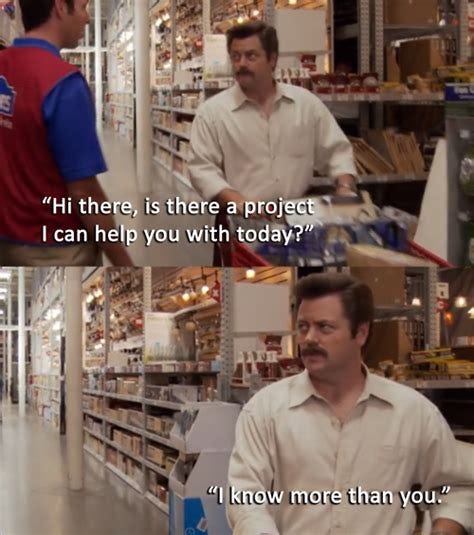
From a young age, I was taught to work with my hands. Change the oil in our cars, help with carpentry projects, and fix household appliances. While I did not understand it at the time, having the time to learn how to fix things and build with my hands was a true luxury. The ability to invest time, some money, and labour into a project to reap the surplus afterwards was a true reward.
When a need arose for a new bedframe on a budget, rather than thinking I wonder where I can buy a bedframe. My first thought was how hard could it be to build a bedframe? Using recycled lumber, I took what was meant to be trash and gave it a new life. Biased as I am, I think that for my first bedframe, it turned out pretty good! By only purchasing stain, gloss, and three boards, the cost of a SOLID wood bedframe was a fraction of a brand-new solid wood frame.
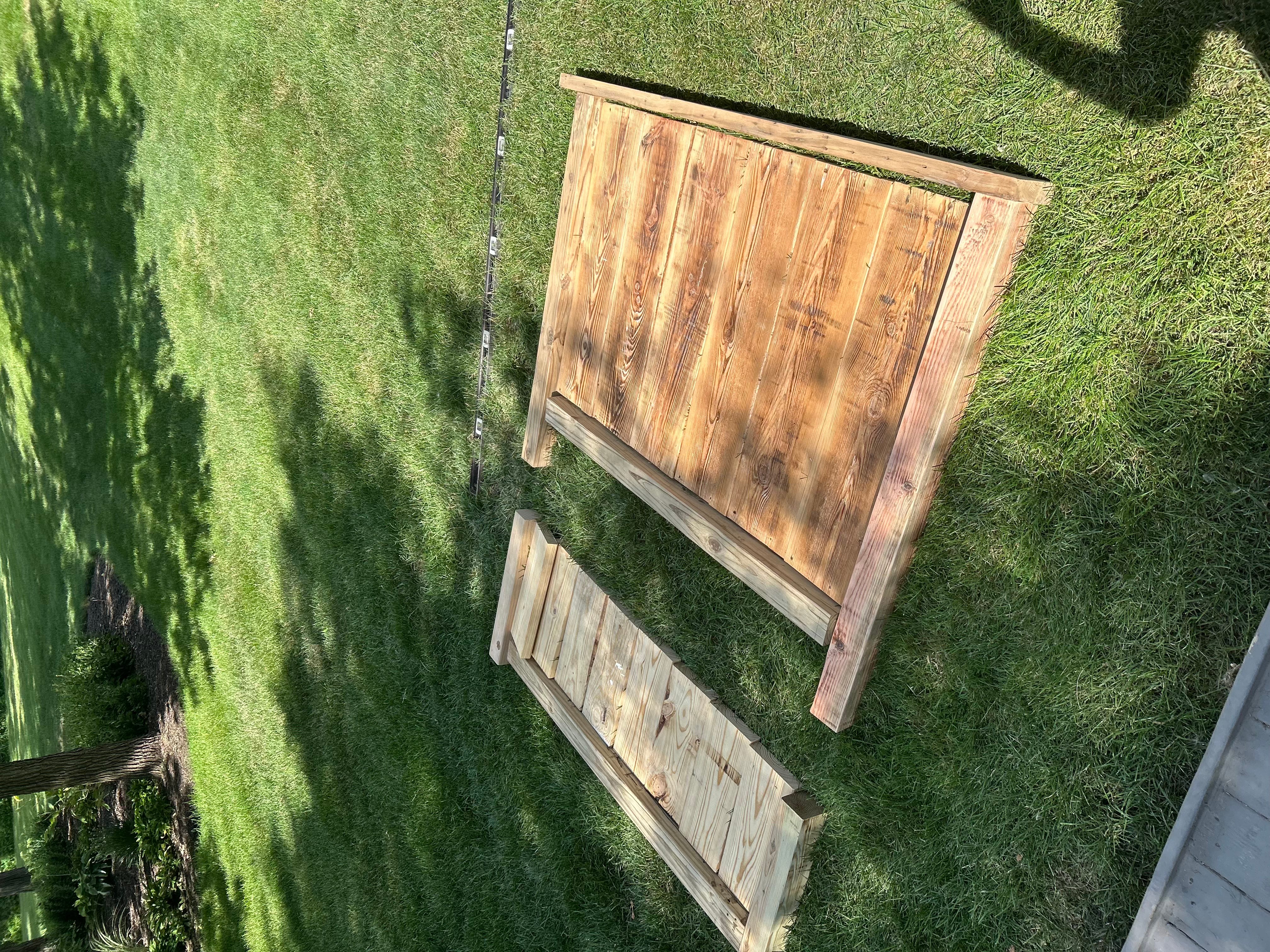
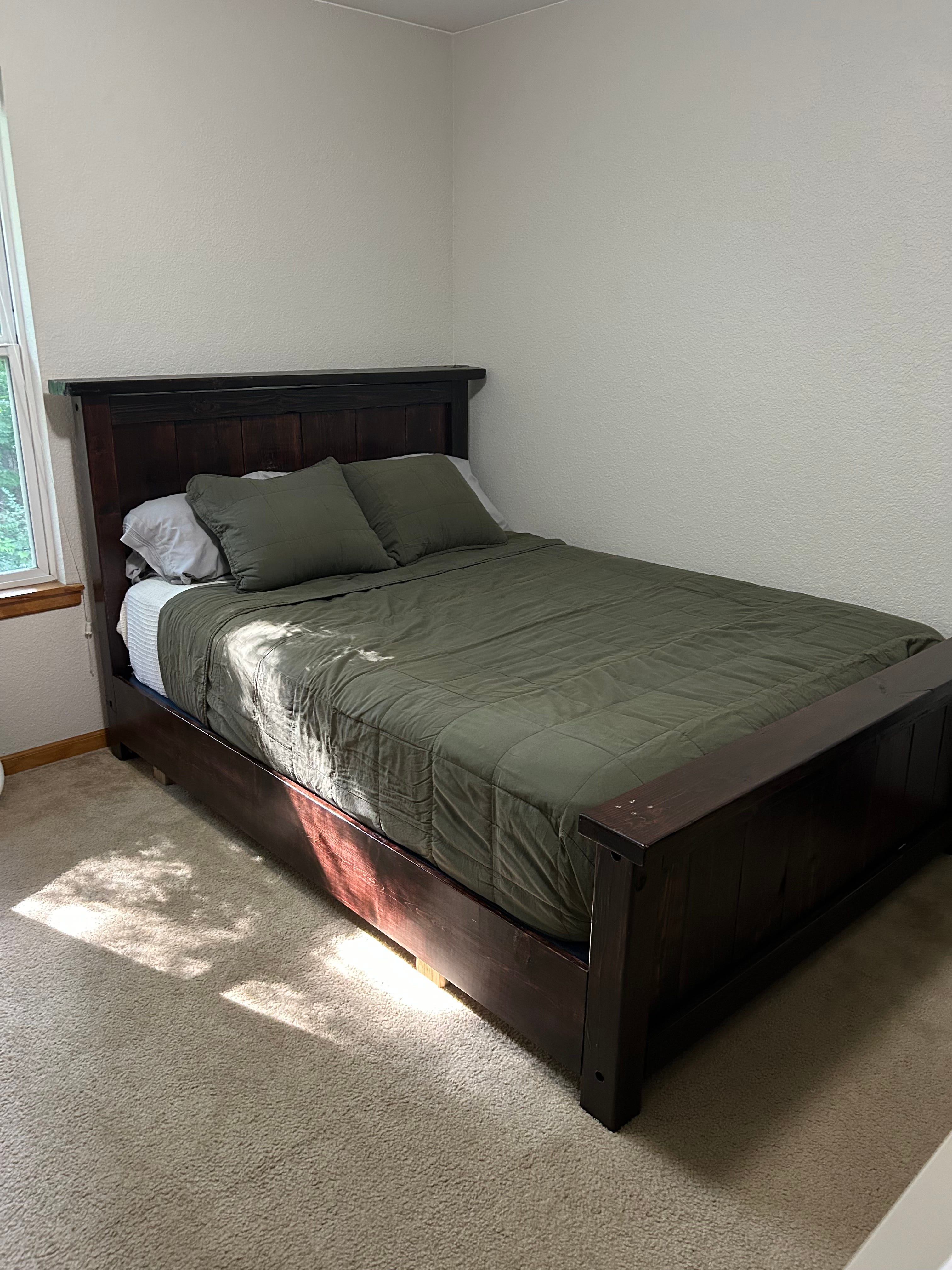
Learning how to work with your hands can save money in the long term, but I have found it to provide something more important: self-worth and independence from the onslaught of consumerism. In the middle of this project, I was completing my master’s thesis. What felt like a never-ending cycle of editing and reviewing advisor comments, the woodworking project allowed me to channel my anxiety. A byproduct of consumerism is the creation of a more anxious society.
A person’s ability to live from the land and sustain a lifestyle lies in direct confrontation with endless consumption. Alienation in the workplace has been well documented, but what of alienation from living? The convenience we experience through the ease of consumption has ruptured a consumer’s awareness of the labour that goes into producing certain goods. More importantly, who is doing the cheap labour to bring these goods to market? The system of capitalism feeds from the exploitation of workers and consumers at home and abroad. Sure, we may have more goods and products, but how good are products that are designed to fail after a while, to increase profit margins?
Being a “DIYer” is not just about refurbishing old things to make them new again. It is an economic act of rebellion. Against the constant marketing of cheap products, we choose to remake what we already have. Especially when entering a new environmental experience, the fragile global economic systems will drive costs of products higher, and the ability to repair and refurbish items will be increasingly relevant. 2
My overall argument is that working with your hands, learning a new craft, will fill your soul more than buying the next Labubo. It can connect you with a community, larger than yourself, where you can learn more about your passions. Learning these new skills, you may become more aware of the world around you, and become more appreciative of the things you have.
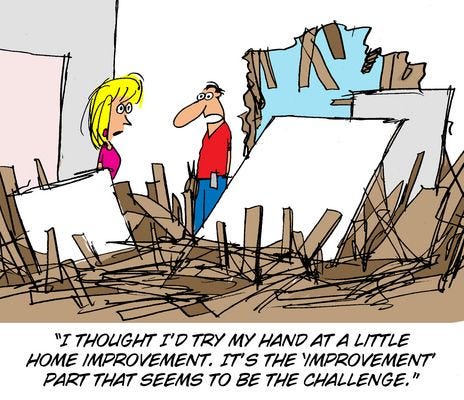
This type of social cohesion is what Max Weber refers to as Organic Solidarity. Weber focuses on how societies remain together when there is no longer a shared value system binding the community together. While I support the idea of organic solidarity, when commodified and taken to the extreme, where we have become so specialized and wasteful, we end up eroding the biological boundaries of our planet.
Source: Eaarth: Making a Life on a Tough New Planet by Bill McKibben